Tumor immune microenvironment and PD-1/PD-L1 treatment response
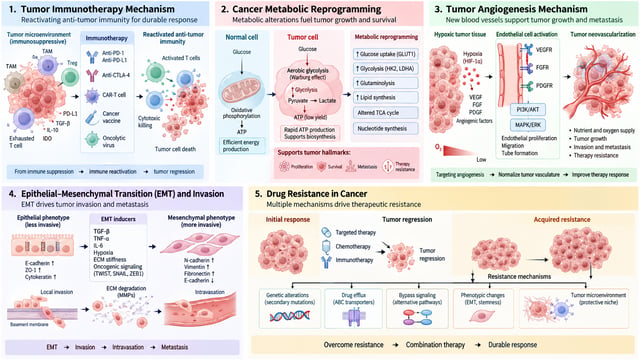
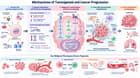
tumor cells, CD8+ T cells, TAM macrophages, the PD-1/PD-L1 immune checkpoint, anti-PD-1 therapy, cytotoxic killing, and tumor apoptosis as one coherent causal story
研究者や大学研究室のために作られた学術図表生成ワークステーション。Nature、Science、Cell、ACS のデザイン基準を遵守し、生化学シグナル伝達や作用機序を12秒で可視化します。


論文購読、研究デザイン、実験検証から学術誌投稿までライフサイクル全体を支援。
PDF 論文や抄録をアップロードすると、AI がミリ秒単位で中核イノベーションを抽出し、高品質な図表に凝縮します。

国際的な出版基準に従い、メカニズムやシグナル伝達を入力することで、精密な模式図を自動生成します。

既存の文献図やスケッチをアップロードし、レイアウト構造を抽出してトップジャーナル水準で再描画します。

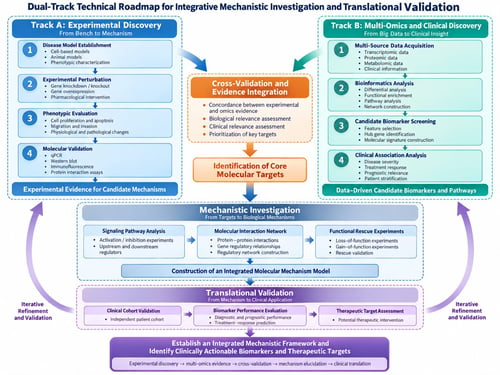
研究計画書や助成金申請向けに、研究フェーズと実験ノードを整理した技術ロードマップを生成します。

臨床被験者フローやオミクス解析パイプラインを作成。Draw.io 連携により自由な編集とベクター保存が可能です。

火山図、ヒートマップ、単細胞 UMAP/t-SNE、KM 生存曲線など、学術誌仕様の上品な配色で生成します。

本システムで生成された出版品質の実例です。ワンクリックで拡大プレビューやスタジオへの複製インポートが可能です。

tumor cells, CD8+ T cells, TAM macrophages, the PD-1/PD-L1 immune checkpoint, anti-PD-1 therapy, cytotoxic killing, and tumor apoptosis as one coherent causal story

intravenous LNP delivery, cellular uptake, endosomal acidification, ionizable-lipid protonation, membrane fusion, mRNA release, ribosomal translation, and target protein expression

patient samples, tissue dissociation, scRNA-seq and scATAC-seq, cell clustering, lineage states, regulatory networks, resistant subpopulations, and clinical associations
dietary fiber, gut microbiota, short-chain fatty acids, intestinal barrier, circulation, blood-brain barrier, microglial state, and neuroinflammatory outcomes
target DNA, sgRNA, Cas9 nickase, deaminase, target base conversion, mismatch repair, bystander-edit control, and functional rescue

visible-light excitation, heterojunction band alignment, electron-hole separation, interfacial transfer, HER hydrogen evolution, OER oxygen evolution, and surface active sites

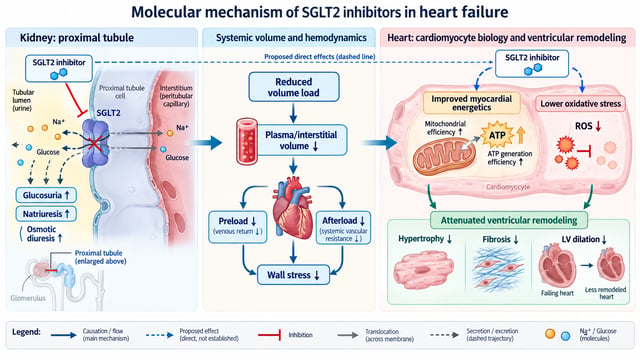
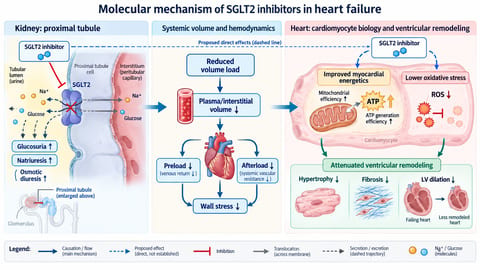
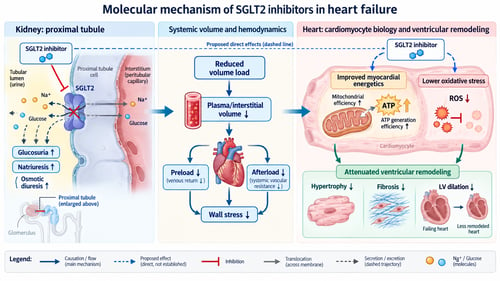
proximal-tubule SGLT2 inhibition, glucosuria and natriuresis, reduced volume load, improved myocardial energetics, lower oxidative stress, and attenuated ventricular remodeling

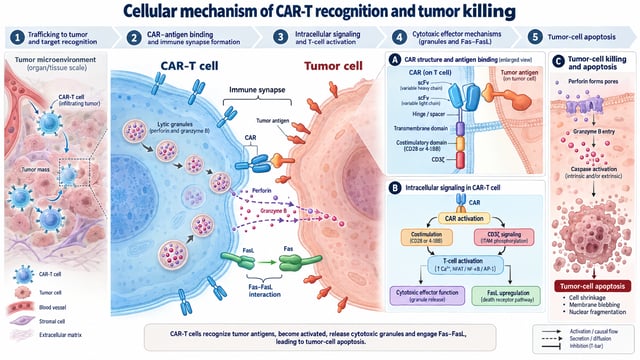
CAR architecture, tumor-antigen recognition, immune synapse, CD3-zeta and costimulatory signaling, granzyme B/perforin release, Fas-FasL, and tumor-cell apoptosis
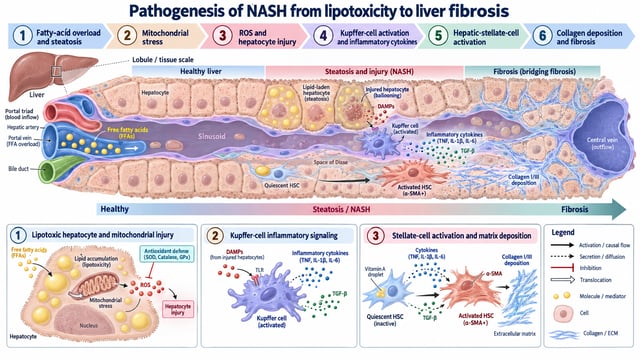
fatty-acid overload, mitochondrial stress, ROS, hepatocyte injury, Kupffer-cell activation, inflammatory cytokines, hepatic-stellate-cell activation, collagen deposition, and fibrosis
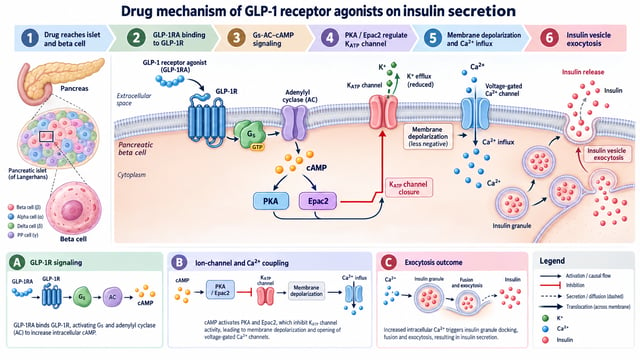
GLP-1R binding, Gs protein, adenylyl cyclase, cAMP, PKA/Epac2, KATP channels, membrane depolarization, calcium influx, and insulin-vesicle exocytosis

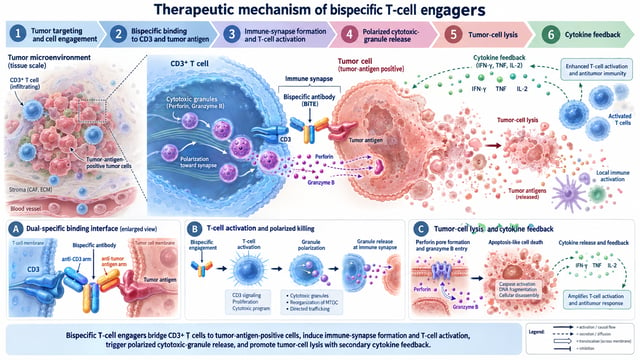
bispecific antibody binding CD3 and a tumor antigen, immune-synapse formation, T-cell activation, cytotoxic-granule release, tumor-cell lysis, and cytokine feedback

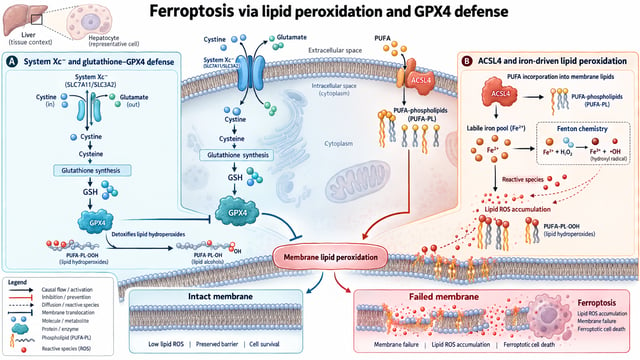
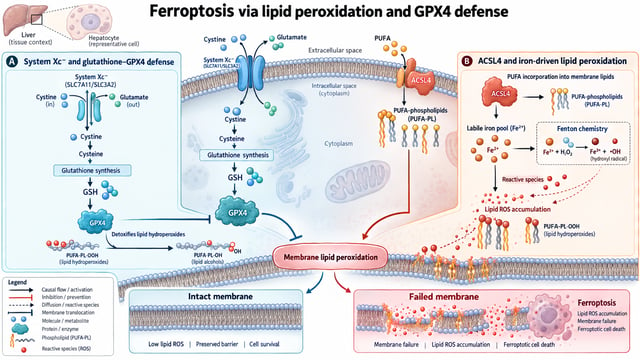
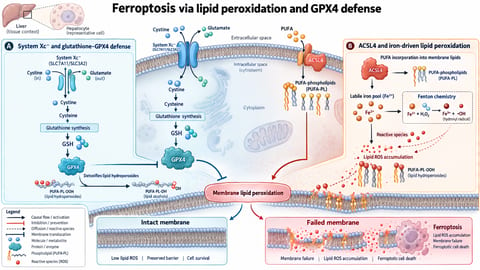
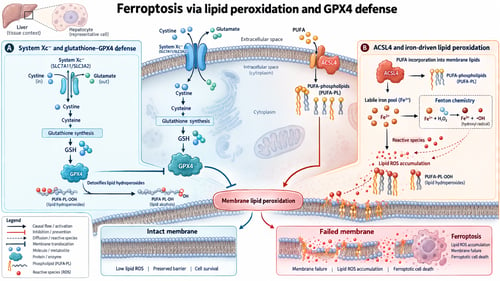
System Xc-minus, glutathione synthesis, GPX4, PUFA-phospholipids, ACSL4, labile iron pool, Fenton chemistry, lipid ROS accumulation, and membrane failure

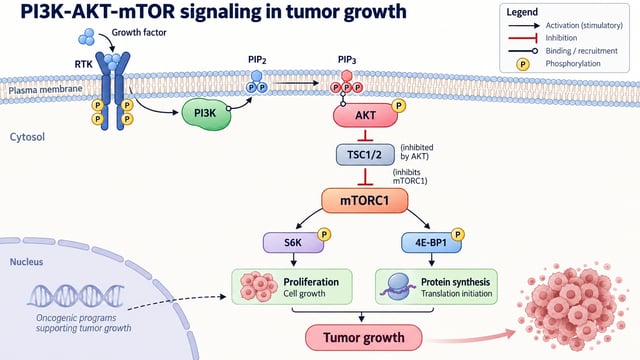
growth factor, RTK, PI3K, PIP3, AKT, TSC1/2, mTORC1, S6K, 4E-BP1, and proliferation/protein-synthesis outputs

hypoxia, PHD/VHL suppression, HIF-1alpha stabilization, nuclear translocation, HRE binding, GLUT1/LDHA/VEGFA transcription, glycolysis, and angiogenesis

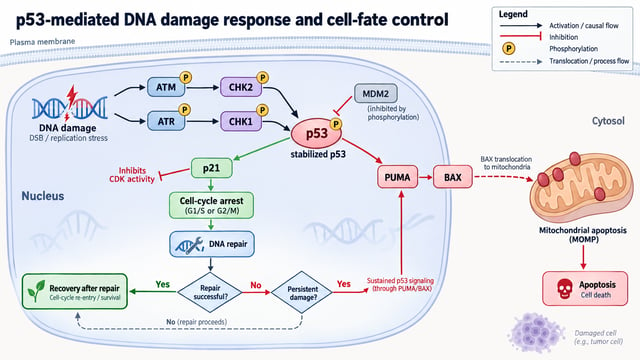
DNA damage, ATM/ATR, CHK1/2, p53 stabilization, p21 cell-cycle arrest, BAX/PUMA apoptosis, and recovery after repair

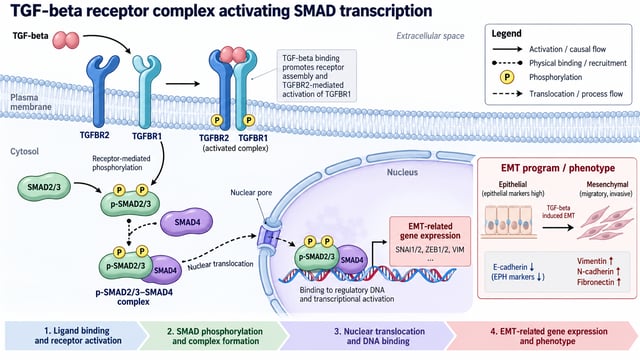
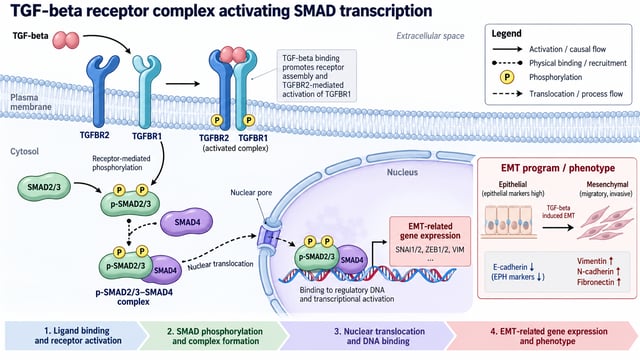
TGF-beta ligand, TGFBR2/TGFBR1 complex, SMAD2/3 phosphorylation, SMAD4 binding, nuclear translocation, and EMT-related gene expression

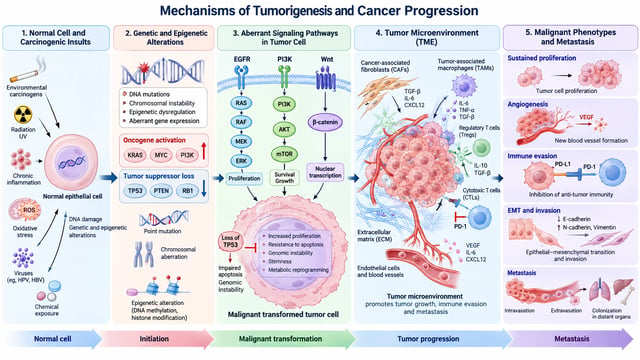
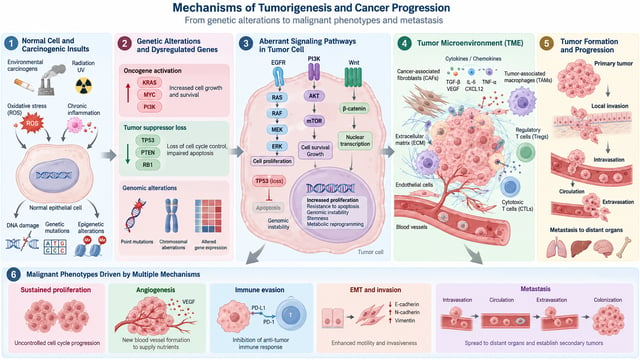
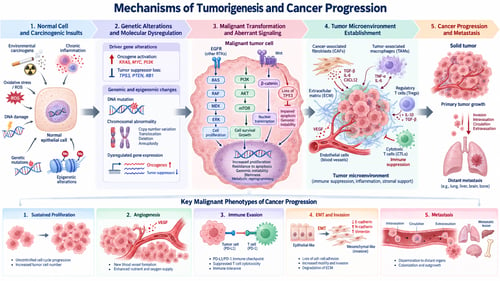
tumor cells, cancer-associated fibroblasts, IL-6 secretion, IL6R/gp130, JAK-STAT3, ECM remodeling, immunosuppression, invasion, and bidirectional feedback

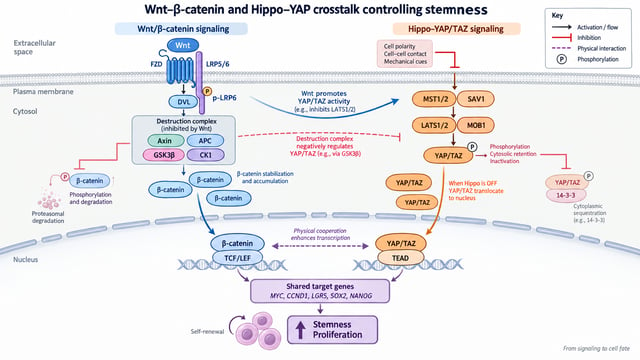
Wnt receptors, beta-catenin stabilization, YAP/TAZ nuclear translocation, TEAD, shared target genes, stemness, proliferation, and positive/negative crosstalk nodes

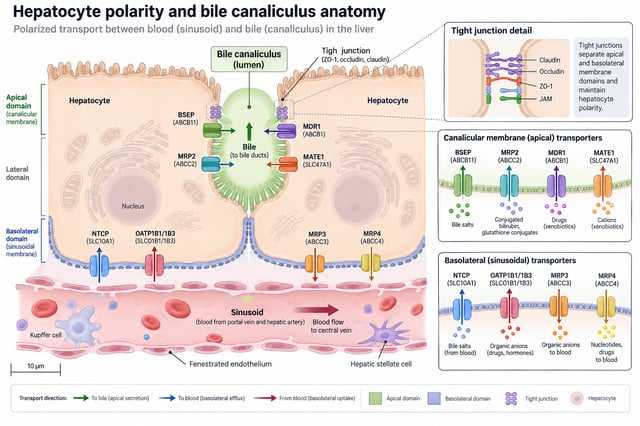
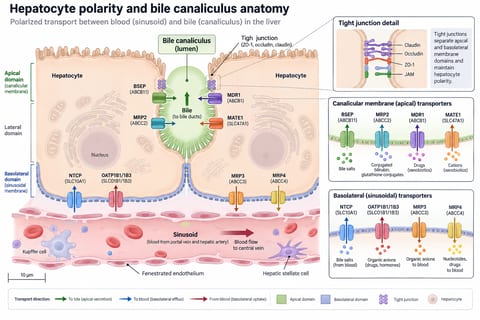
apical and basolateral hepatocyte polarity, bile canalicular lumen, tight junctions, bile-salt transporters, sinusoid, and transport directions

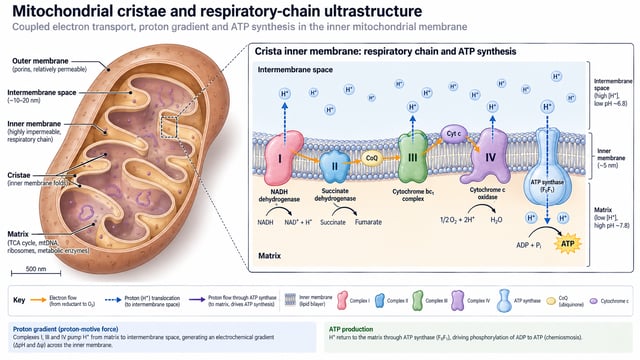
outer membrane, inner membrane, cristae, intermembrane space, matrix, complexes I-IV, ATP synthase, proton gradient, and ATP-production direction

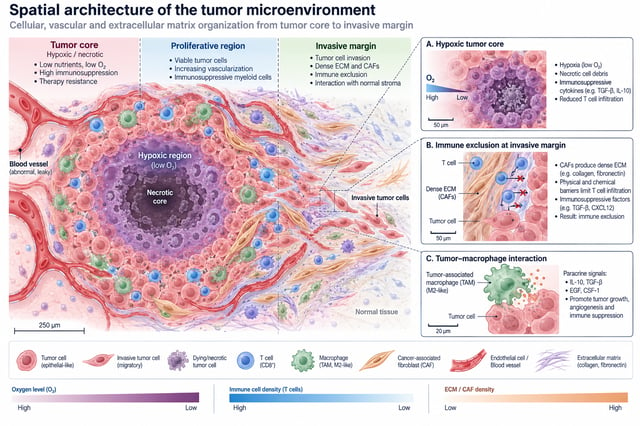
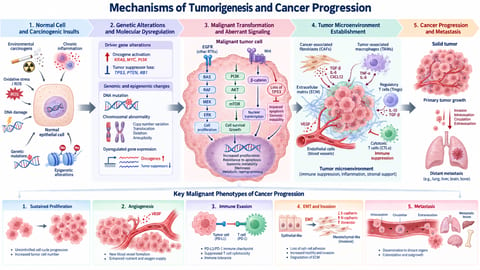
tumor core, invasive margin, vessels, hypoxic region, CAFs, T cells, macrophages, ECM, and their spatial relationships

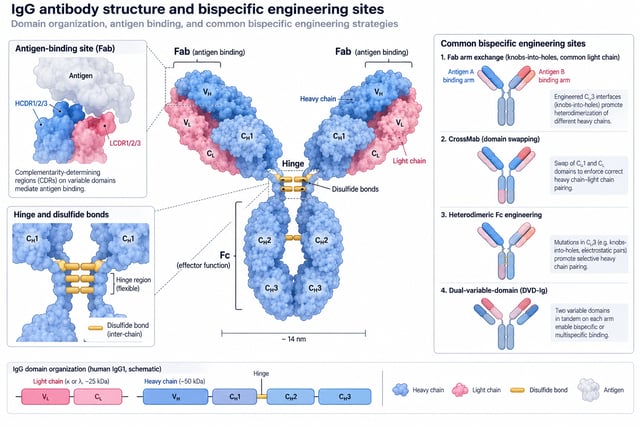
Fab, Fc, heavy chain, light chain, hinge, disulfide bonds, antigen-binding sites, and bispecific engineering junctions

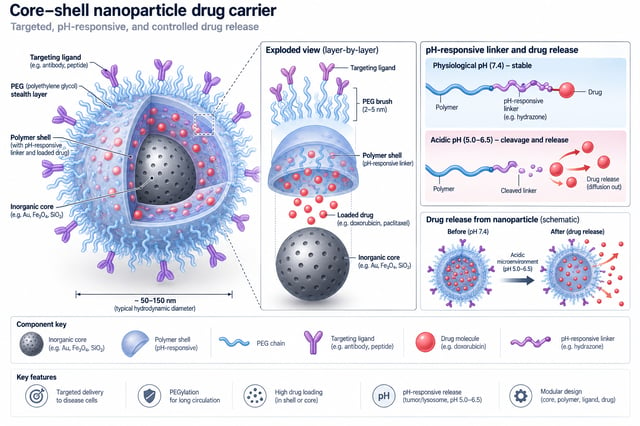
inorganic core, polymer shell, PEG, targeting ligand, loaded drug, pH-responsive linker, size annotation, and release direction

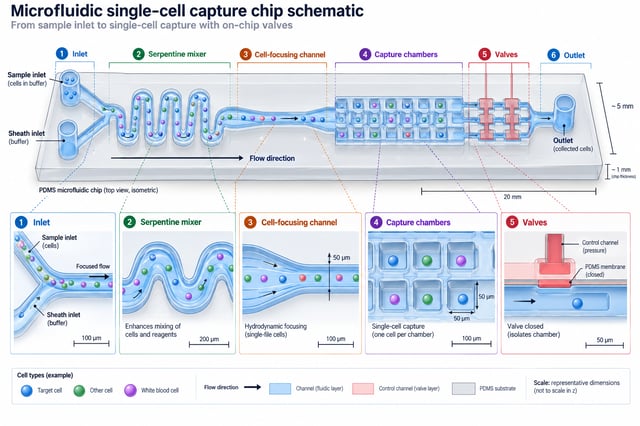
inlet, serpentine mixer, cell-focusing channel, capture chambers, valves, outlet, flow direction, and key dimensional hierarchy

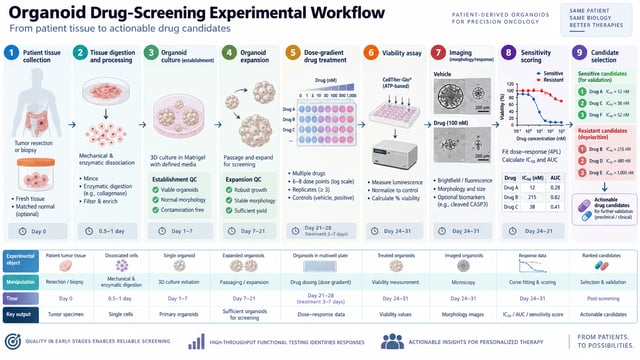
patient tissue collection, digestion, organoid culture, expansion, dose-gradient treatment, viability assay, imaging, sensitivity scoring, and candidate selection

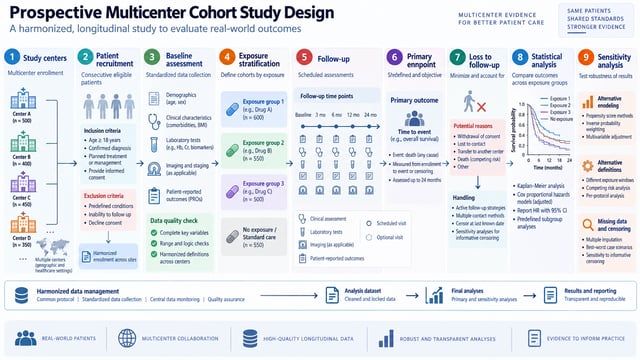
study centers, recruitment, baseline assessment, exposure stratification, follow-up points, primary endpoint, loss-to-follow-up handling, statistical analysis, and sensitivity analysis

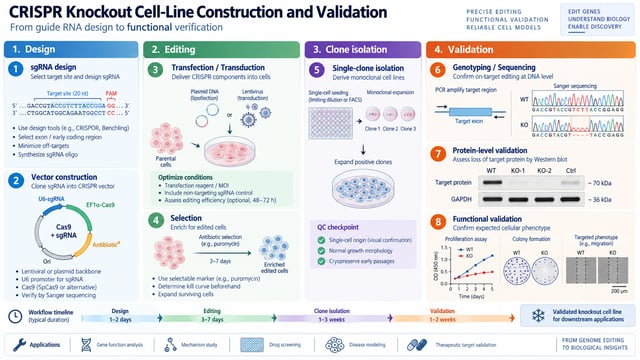
sgRNA design, vector construction, transfection, selection, single-clone isolation, genotyping, Western blot, and functional validation

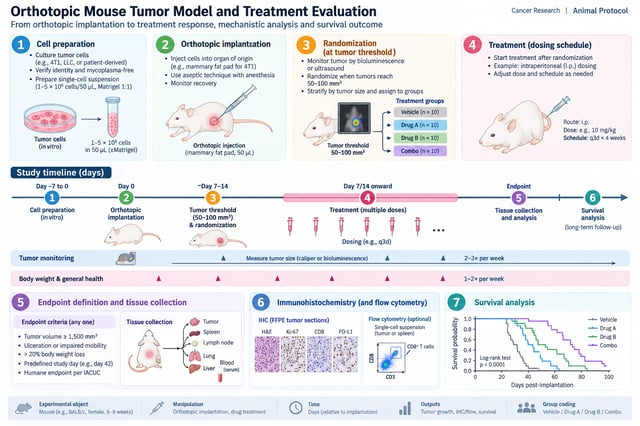
cell preparation, orthotopic implantation, randomization, dosing time points, tumor monitoring, endpoint definition, tissue collection, immunohistochemistry, and survival analysis

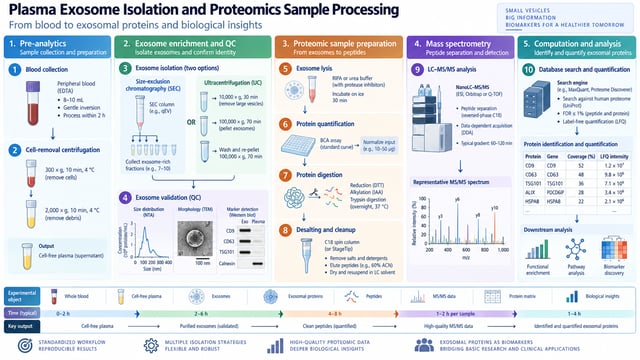
blood collection, cell-removal centrifugation, SEC or ultracentrifugation, exosome validation, lysis, protein quantification, digestion, desalting, LC-MS/MS, and database search

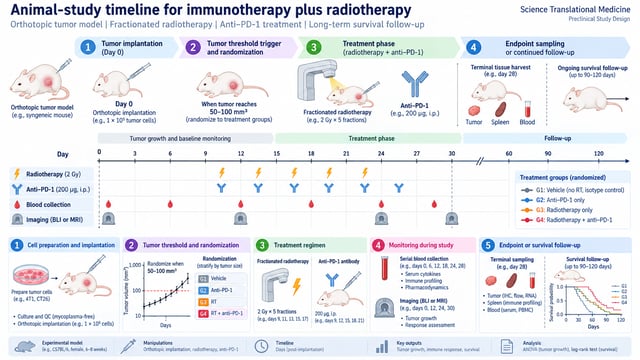
Day 0 implantation, tumor-threshold trigger, randomization, fractionated radiotherapy, anti-PD-1 dosing, serial blood collection, imaging, endpoint sampling, and long-term survival follow-up

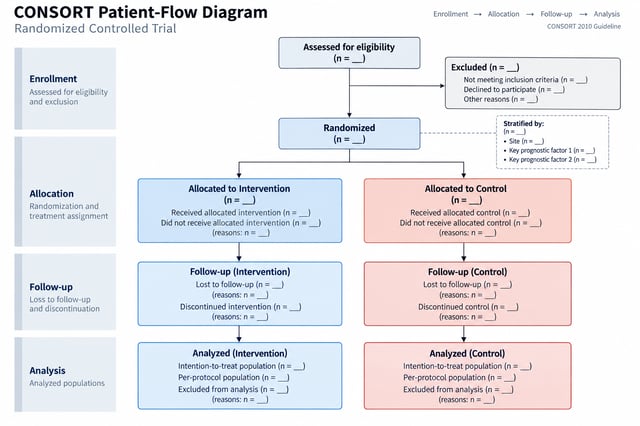
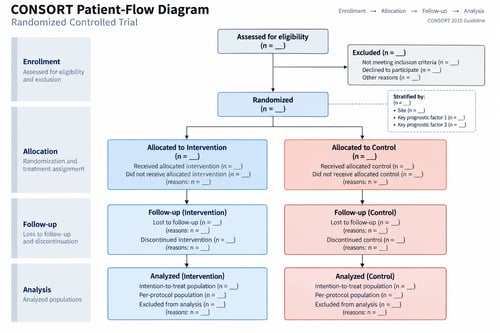
eligibility assessment, exclusion reasons, randomization, intervention and control arms, loss to follow-up, discontinuation, analyzed populations, and clear N placeholders

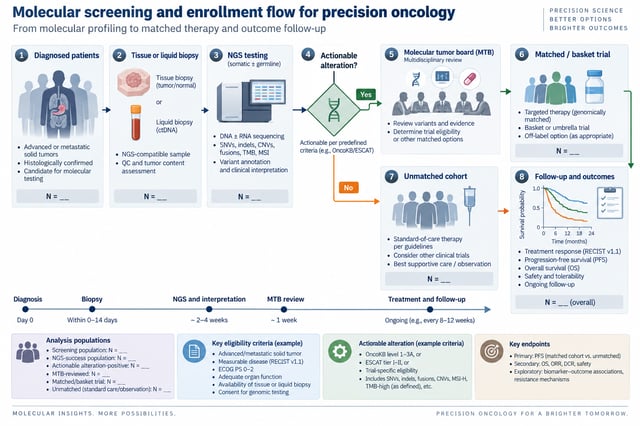
diagnosed patients, tissue/liquid biopsy, NGS testing, actionable-variant decision, molecular tumor board, matched trial, unmatched cohort, and follow-up

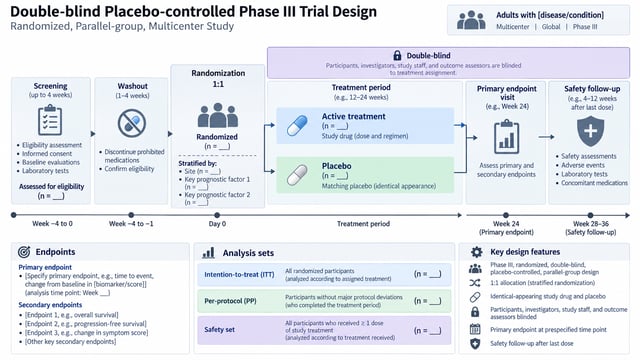
screening, washout, 1:1 randomization, treatment arm, placebo arm, blinding, primary endpoint, secondary endpoints, safety follow-up, and analysis sets

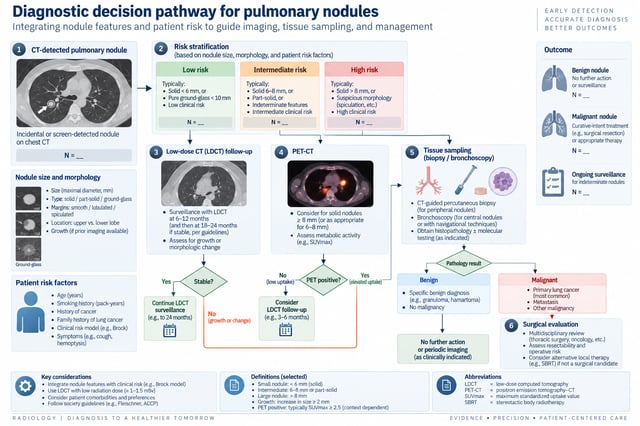
nodule size and morphology, patient risk factors, low-dose CT follow-up, PET-CT, biopsy/bronchoscopy, surgical evaluation, and benign/malignant outcomes

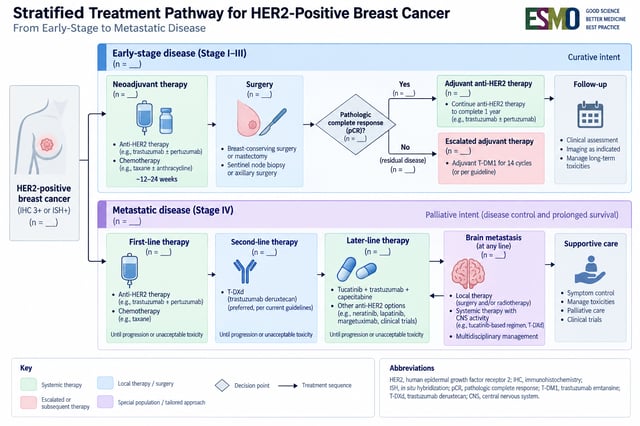
early versus metastatic stratification, neoadjuvant therapy, surgery, pCR decision, adjuvant regimen, sequential anti-HER2 therapy after recurrence, and brain-metastasis branch

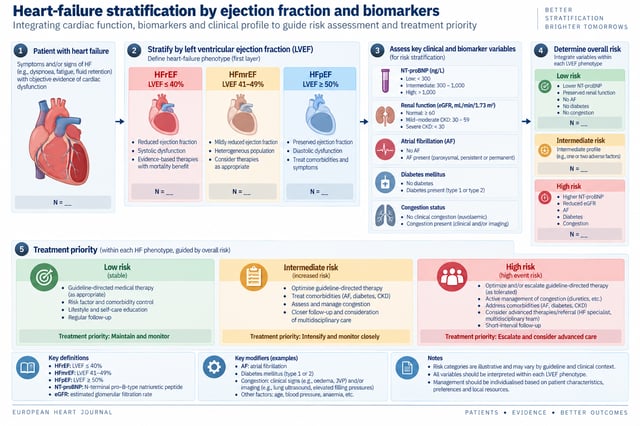
HFrEF/HFmrEF/HFpEF, NT-proBNP level, renal function, atrial fibrillation, diabetes, congestion status, risk level, and treatment priority

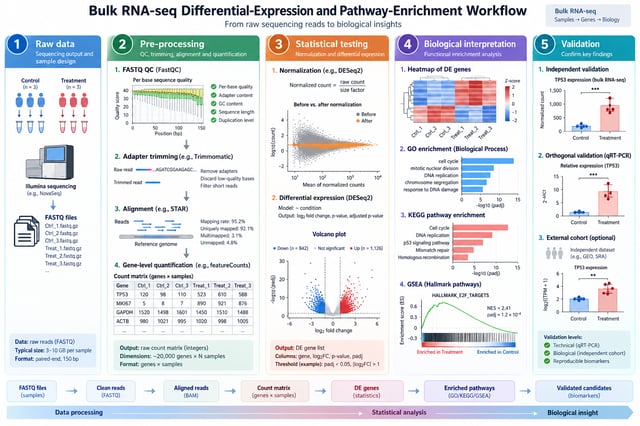
FASTQ QC, adapter trimming, alignment, count matrix, normalization, differential analysis, volcano/heatmap outputs, GO/KEGG/GSEA, and candidate validation

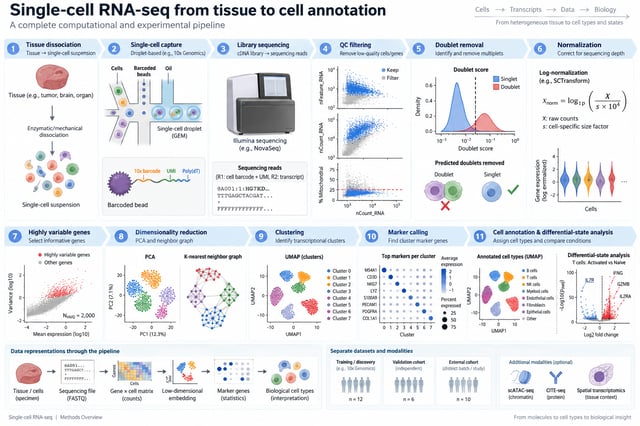
tissue dissociation, single-cell capture, library sequencing, QC, doublet removal, normalization, dimensionality reduction, clustering, marker calling, cell annotation, and differential-state analysis

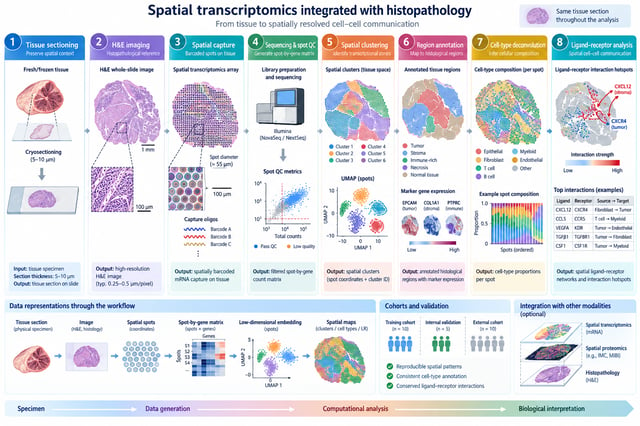
tissue sectioning, H&E imaging, spatial capture, sequencing, spot QC, spatial clustering, region annotation, cell-type deconvolution, and spatial ligand-receptor analysis

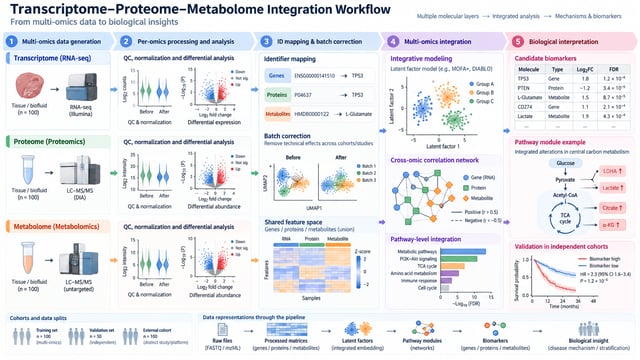
three omics inputs, per-omics QC and differential analysis, ID mapping, batch correction, correlation networks, pathway-level integration, latent-factor modeling, and biomarker candidates

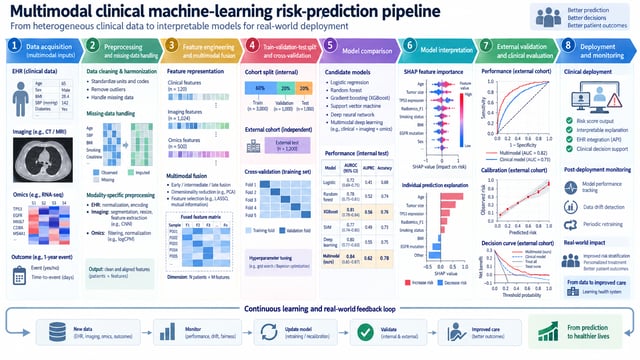
EHR, imaging and omics inputs, missing-data handling, feature engineering, train-validation-test split, cross-validation, model comparison, SHAP explanation, external validation, and deployment

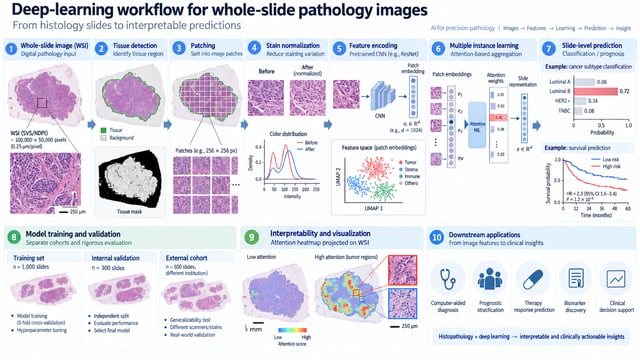
WSI slides, tissue detection, patching, stain normalization, feature encoding, MIL aggregation, classification/prognosis task, internal validation, external cohort, and interpretability heatmaps

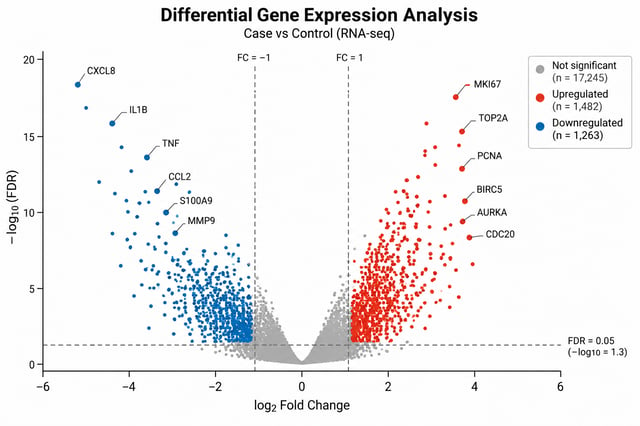
x-axis log2 fold change, y-axis -log10 adjusted P, distinct significant up/down colors, threshold guide lines, labels for top genes, and a concise legend

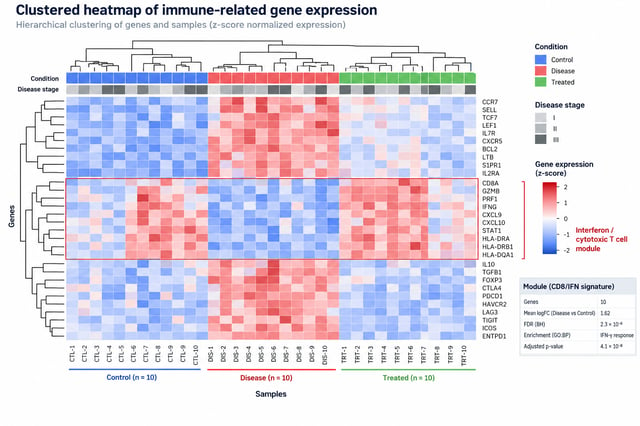
genes as rows, samples as columns, z-score scale, hierarchical dendrograms, sample-group annotation bars, highlighted gene modules, and concise legends

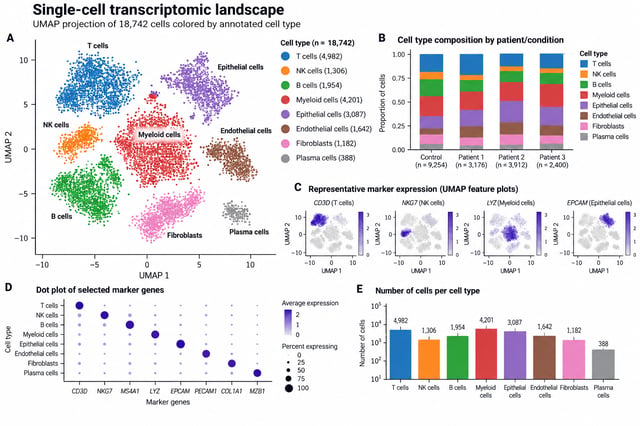
2D UMAP embedding, major cell types in distinct colors, clear cluster boundaries, representative marker labels, and a small companion panel for patient/condition source

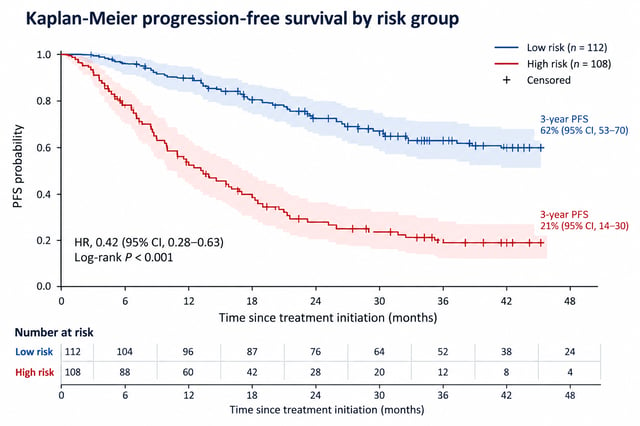
time axis, PFS probability, two step curves, censor marks, number-at-risk table, HR with 95% CI, and appropriately placed log-rank P value

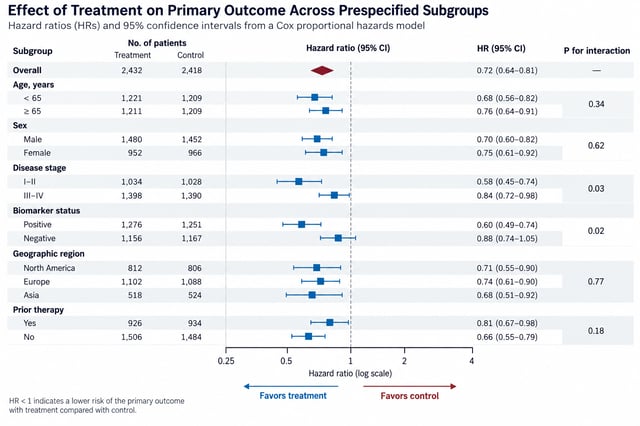
subgroup labels, sample sizes, HR/OR point estimates with 95% CI, null line, overall-effect diamond, interaction P values, and left/right benefit direction

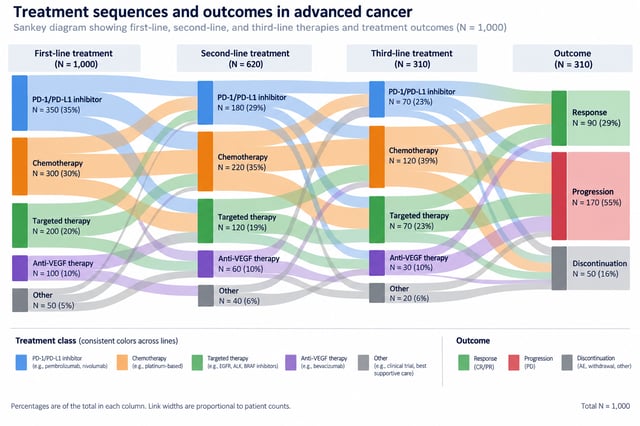
first-line, second-line and third-line treatments, response/progression/discontinuation outcomes, link widths proportional to patient counts, nodes grouped by treatment class, and N labels
本システムで生成された出版品質の実例です。ワンクリックで拡大プレビューやスタジオへの複製インポートが可能です。 The taxonomy keeps Chinese and English scientific terms together for researchers, search engines and generative discovery systems.
Nature の穏やかなバイオ配色、Science の高コントラスト冷色系、Cell の伝統的赤青配色を網羅。

Nature / Science / Cell分子標的、細胞小器官、受容体リガンド結合などを学術的論理に忠実に構図設計。

手描きスケッチや既存文献のキャプチャから構図を抽出し、出版クオリティで再構築します。

標準テンプレート1024x1024、1536x1024、2560x1440 等の比率に対応し、論文印刷に完全準拠。
医学機序図、Graphical Abstract、シグナル経路、実験フロー、研究ロードマップの草案を作成し、ラベルやノード、科学的な関係を確認・編集できます。
編集可能な図と書き出し機能を利用できます。投稿前に科学的内容、図中の文字、解像度、投稿先ジャーナルの作図要件を確認してください。