Tumor immune microenvironment and PD-1/PD-L1 treatment response
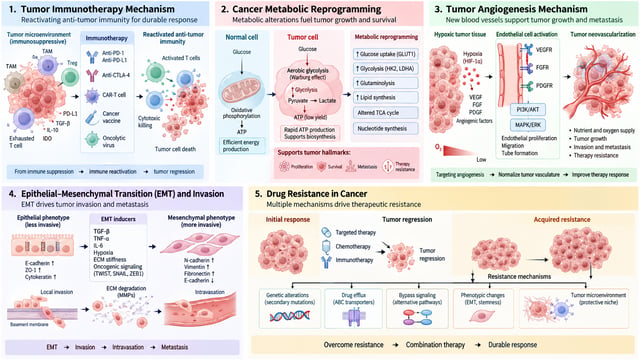
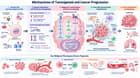
tumor cells, CD8+ T cells, TAM macrophages, the PD-1/PD-L1 immune checkpoint, anti-PD-1 therapy, cytotoxic killing, and tumor apoptosis as one coherent causal story
연구자와 연구실을 위해 설계된 학술급 이미지 생성 워크스테이션. Nature, Science, Cell, ACS 표준을 준수하여 상하류 생화학 신호 전달 경로를 12초 만에 완벽히 시각화합니다.


문헌 분석, 연구 설계, 실험 수행부터 논문 투고까지 전주기 시각화를 지원합니다.
PDF 논문이나 초록을 업로드하면 핵심 혁신점과 연구 결과를 즉시 추출하여 최고급 도해로 응축합니다.

학술지 표준을 준수하여 생화학 메커니즘과 신호 전달 경로를 고정밀 삽화로 자동 생성합니다.

기존 문헌 삽화나 스케치를 업로드하면 구도를 추출하여 학술지 규격으로 새롭게 렌더링합니다.

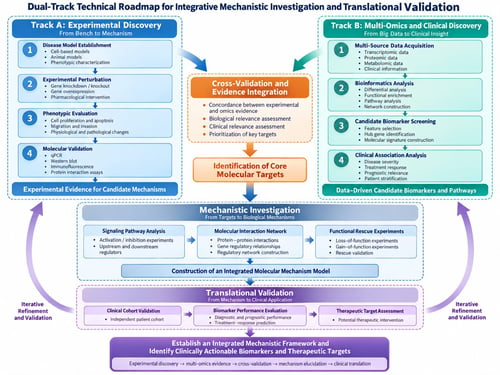
연구 제안서 및 학위 논문을 위해 연구 단계와 실험 노드를 체계적인 로드맵으로 구성합니다.

임상 시험 흐름도와 다중 오믹스 파이프라인을 생성하며, 내장 Draw.io를 통해 벡터 수정 및 저장이 가능합니다.

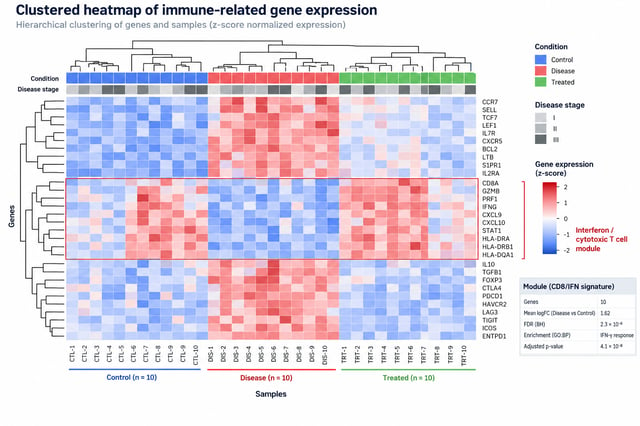
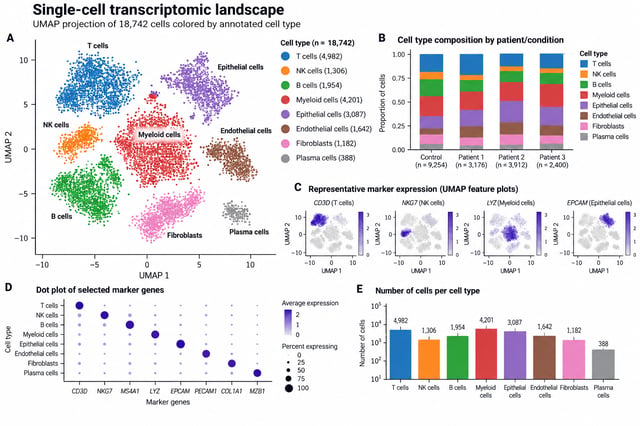
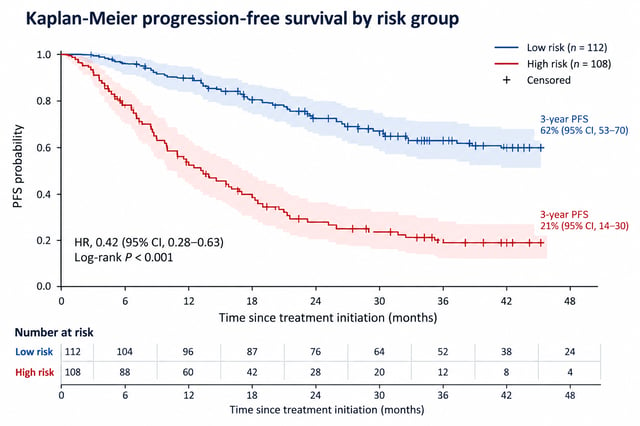
화산도, 히트맵, UMAP/t-SNE 클러스터링, KM 생존 곡선을 세련된 저널 색상으로 생성합니다.

시스템에서 직접 생성한 실제 출판 등급 삽화입니다. 클릭하여 세부 디테일을 확인하거나 동일한 스타일로 제작해보세요.

tumor cells, CD8+ T cells, TAM macrophages, the PD-1/PD-L1 immune checkpoint, anti-PD-1 therapy, cytotoxic killing, and tumor apoptosis as one coherent causal story

intravenous LNP delivery, cellular uptake, endosomal acidification, ionizable-lipid protonation, membrane fusion, mRNA release, ribosomal translation, and target protein expression

patient samples, tissue dissociation, scRNA-seq and scATAC-seq, cell clustering, lineage states, regulatory networks, resistant subpopulations, and clinical associations
dietary fiber, gut microbiota, short-chain fatty acids, intestinal barrier, circulation, blood-brain barrier, microglial state, and neuroinflammatory outcomes
target DNA, sgRNA, Cas9 nickase, deaminase, target base conversion, mismatch repair, bystander-edit control, and functional rescue

visible-light excitation, heterojunction band alignment, electron-hole separation, interfacial transfer, HER hydrogen evolution, OER oxygen evolution, and surface active sites

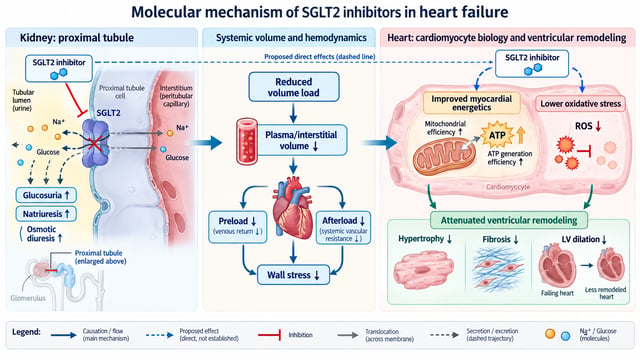
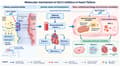
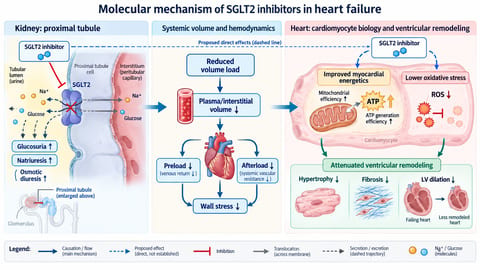
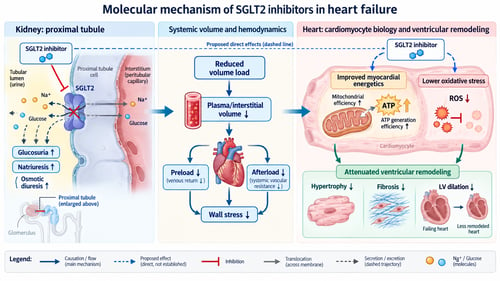
proximal-tubule SGLT2 inhibition, glucosuria and natriuresis, reduced volume load, improved myocardial energetics, lower oxidative stress, and attenuated ventricular remodeling

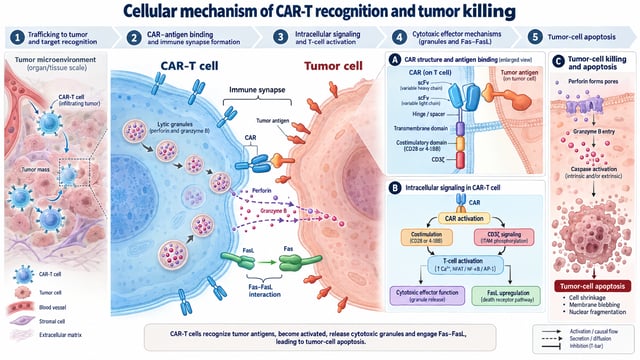
CAR architecture, tumor-antigen recognition, immune synapse, CD3-zeta and costimulatory signaling, granzyme B/perforin release, Fas-FasL, and tumor-cell apoptosis
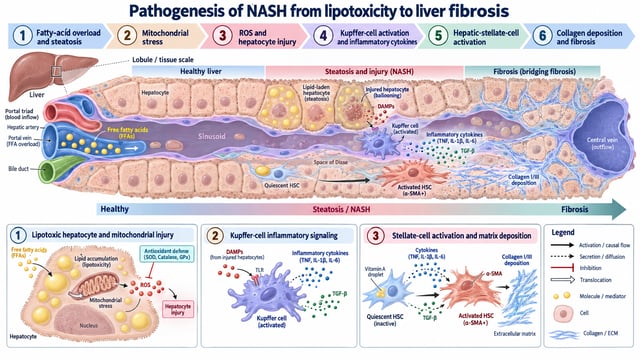
fatty-acid overload, mitochondrial stress, ROS, hepatocyte injury, Kupffer-cell activation, inflammatory cytokines, hepatic-stellate-cell activation, collagen deposition, and fibrosis
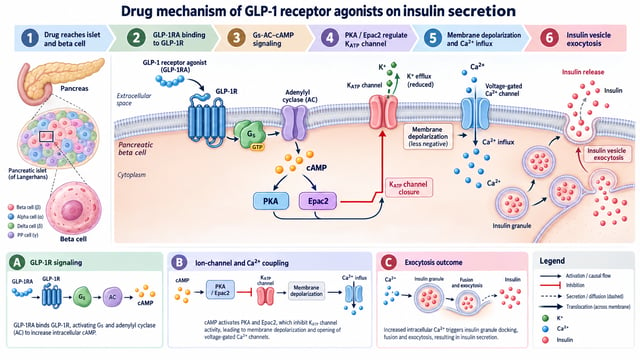
GLP-1R binding, Gs protein, adenylyl cyclase, cAMP, PKA/Epac2, KATP channels, membrane depolarization, calcium influx, and insulin-vesicle exocytosis

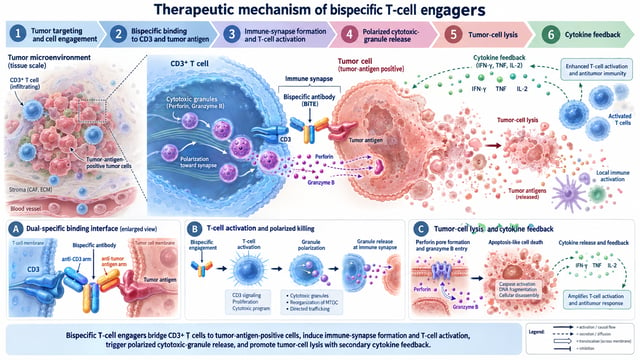
bispecific antibody binding CD3 and a tumor antigen, immune-synapse formation, T-cell activation, cytotoxic-granule release, tumor-cell lysis, and cytokine feedback

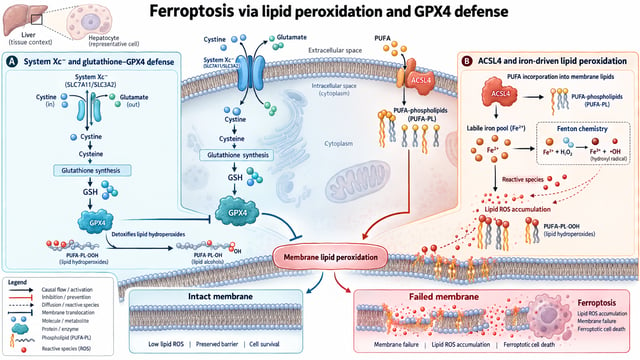
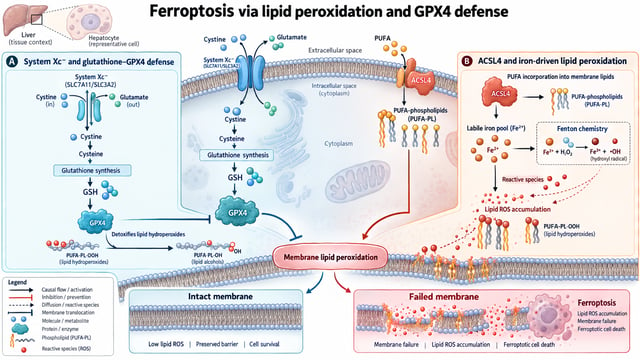
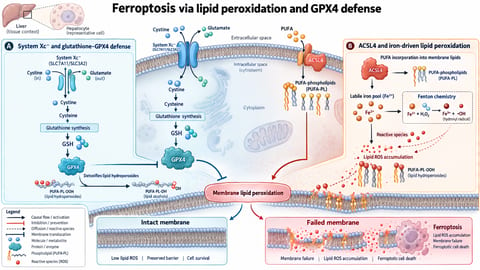
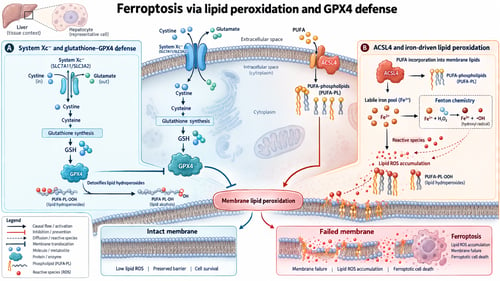
System Xc-minus, glutathione synthesis, GPX4, PUFA-phospholipids, ACSL4, labile iron pool, Fenton chemistry, lipid ROS accumulation, and membrane failure

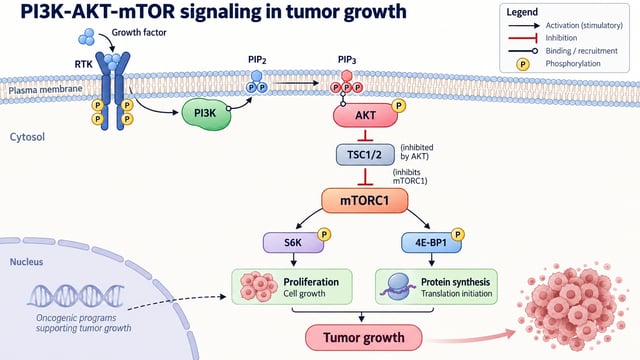
growth factor, RTK, PI3K, PIP3, AKT, TSC1/2, mTORC1, S6K, 4E-BP1, and proliferation/protein-synthesis outputs

hypoxia, PHD/VHL suppression, HIF-1alpha stabilization, nuclear translocation, HRE binding, GLUT1/LDHA/VEGFA transcription, glycolysis, and angiogenesis

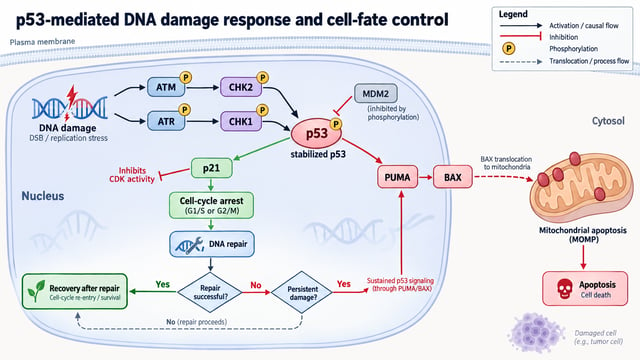
DNA damage, ATM/ATR, CHK1/2, p53 stabilization, p21 cell-cycle arrest, BAX/PUMA apoptosis, and recovery after repair

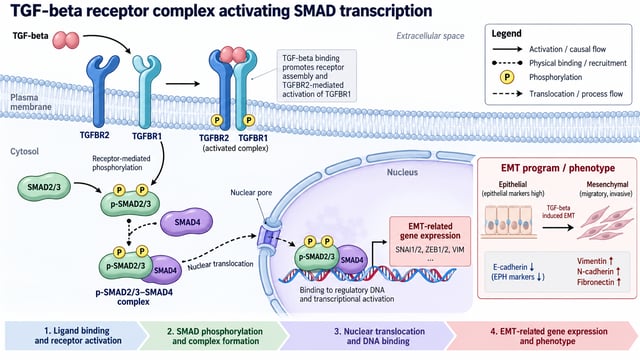
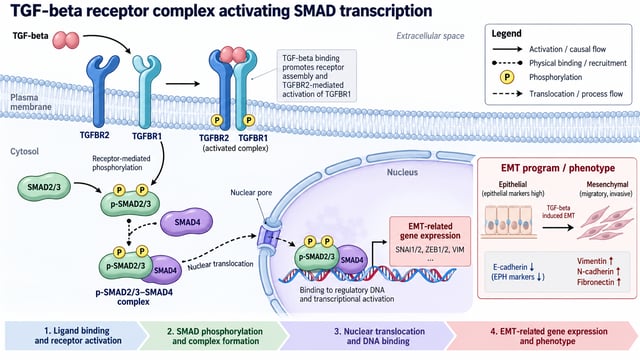
TGF-beta ligand, TGFBR2/TGFBR1 complex, SMAD2/3 phosphorylation, SMAD4 binding, nuclear translocation, and EMT-related gene expression

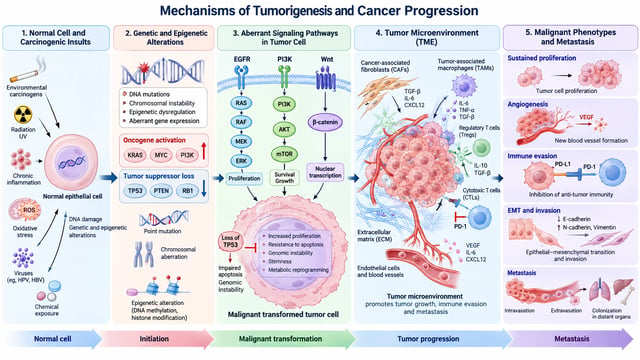
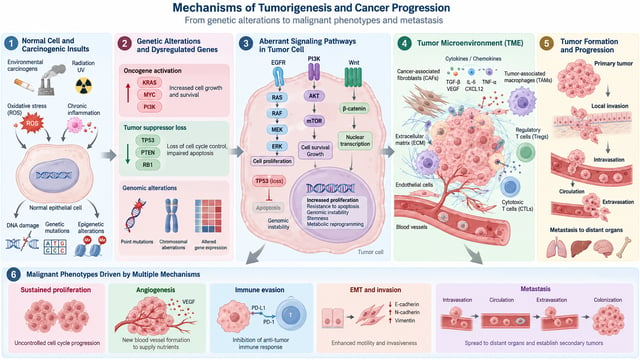
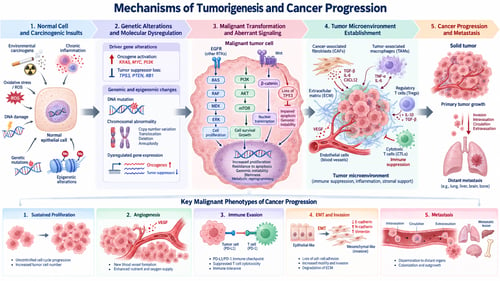
tumor cells, cancer-associated fibroblasts, IL-6 secretion, IL6R/gp130, JAK-STAT3, ECM remodeling, immunosuppression, invasion, and bidirectional feedback

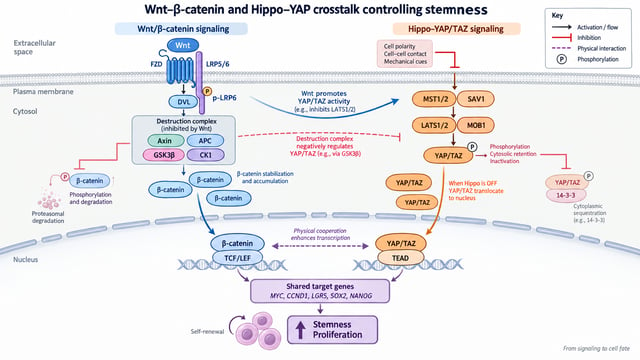
Wnt receptors, beta-catenin stabilization, YAP/TAZ nuclear translocation, TEAD, shared target genes, stemness, proliferation, and positive/negative crosstalk nodes

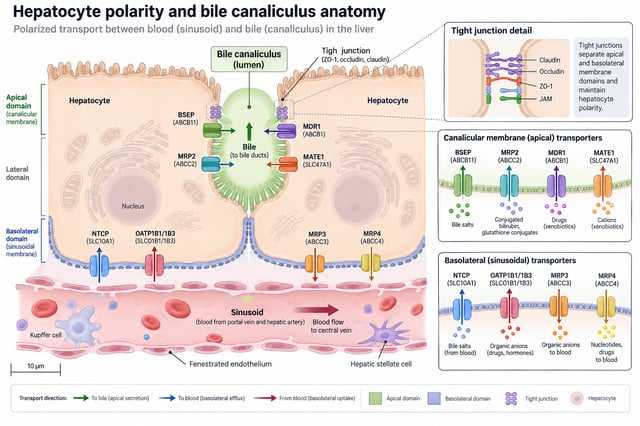
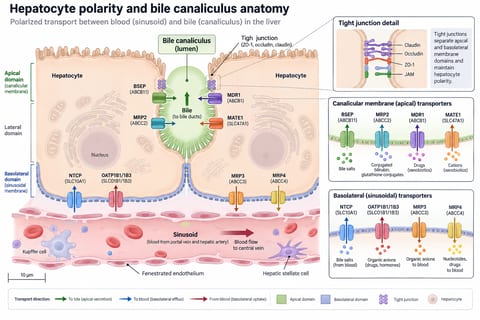
apical and basolateral hepatocyte polarity, bile canalicular lumen, tight junctions, bile-salt transporters, sinusoid, and transport directions

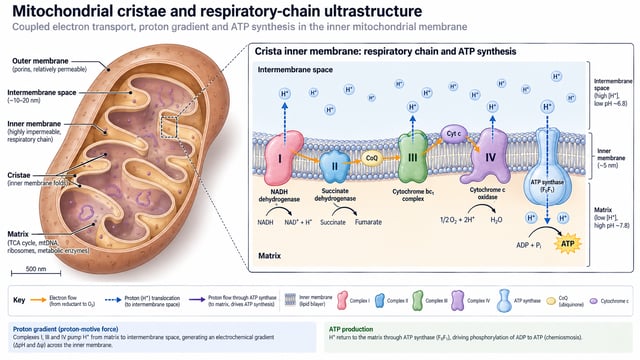
outer membrane, inner membrane, cristae, intermembrane space, matrix, complexes I-IV, ATP synthase, proton gradient, and ATP-production direction

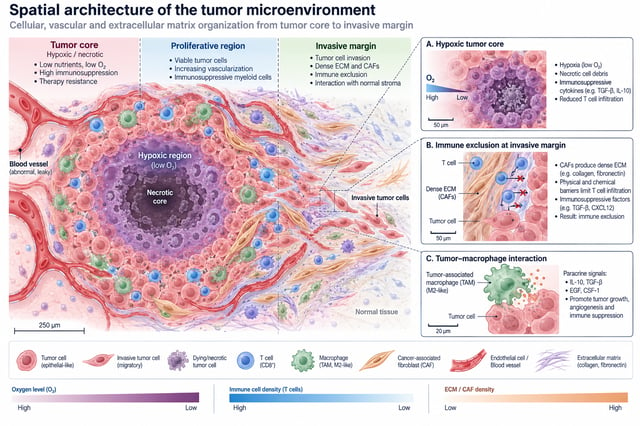
tumor core, invasive margin, vessels, hypoxic region, CAFs, T cells, macrophages, ECM, and their spatial relationships

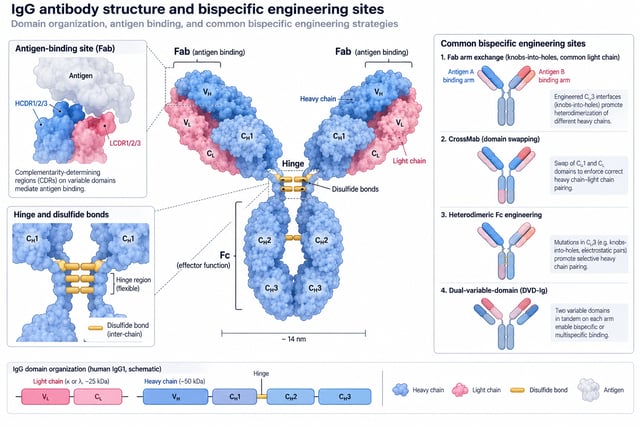
Fab, Fc, heavy chain, light chain, hinge, disulfide bonds, antigen-binding sites, and bispecific engineering junctions

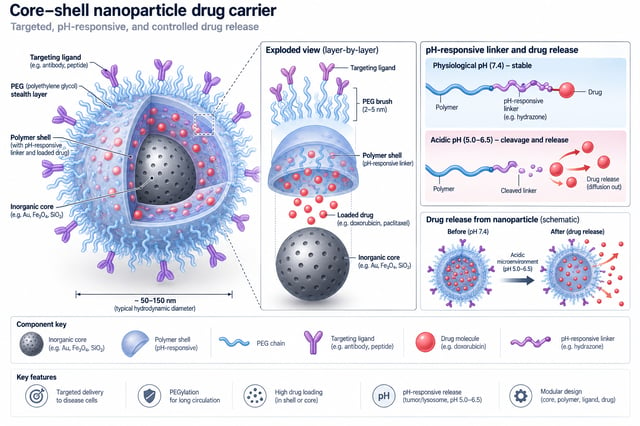
inorganic core, polymer shell, PEG, targeting ligand, loaded drug, pH-responsive linker, size annotation, and release direction

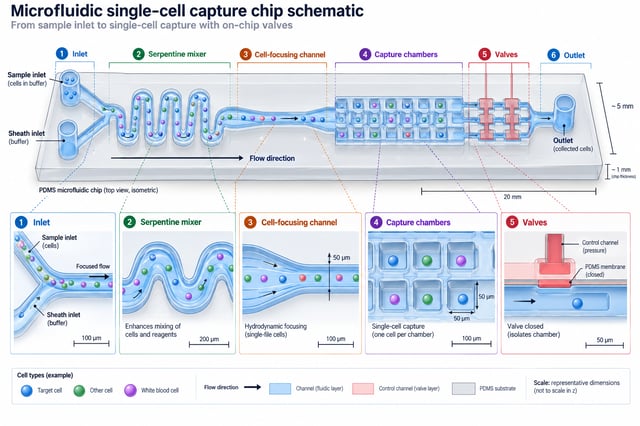
inlet, serpentine mixer, cell-focusing channel, capture chambers, valves, outlet, flow direction, and key dimensional hierarchy

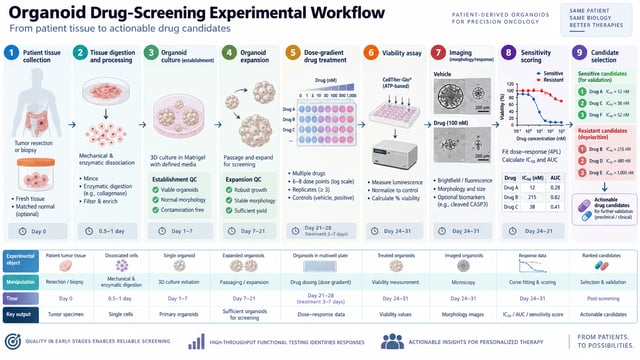
patient tissue collection, digestion, organoid culture, expansion, dose-gradient treatment, viability assay, imaging, sensitivity scoring, and candidate selection

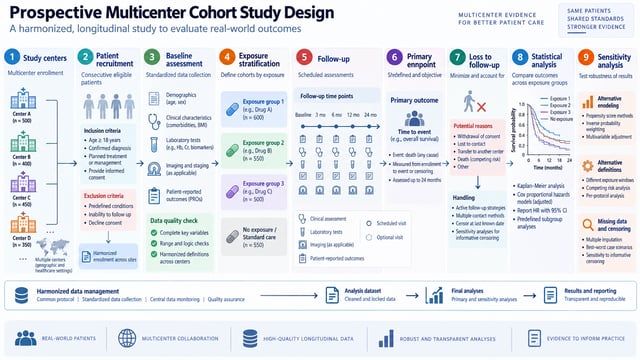
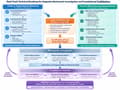
study centers, recruitment, baseline assessment, exposure stratification, follow-up points, primary endpoint, loss-to-follow-up handling, statistical analysis, and sensitivity analysis

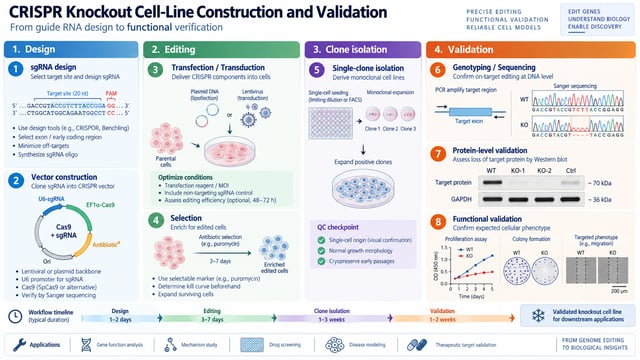
sgRNA design, vector construction, transfection, selection, single-clone isolation, genotyping, Western blot, and functional validation

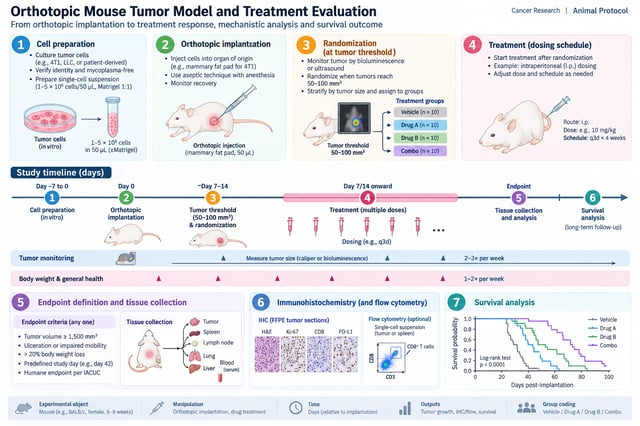
cell preparation, orthotopic implantation, randomization, dosing time points, tumor monitoring, endpoint definition, tissue collection, immunohistochemistry, and survival analysis

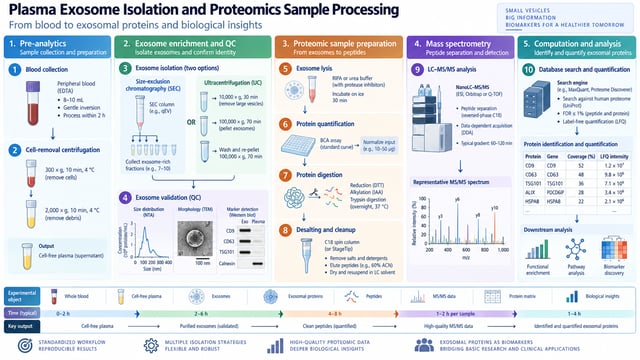
blood collection, cell-removal centrifugation, SEC or ultracentrifugation, exosome validation, lysis, protein quantification, digestion, desalting, LC-MS/MS, and database search

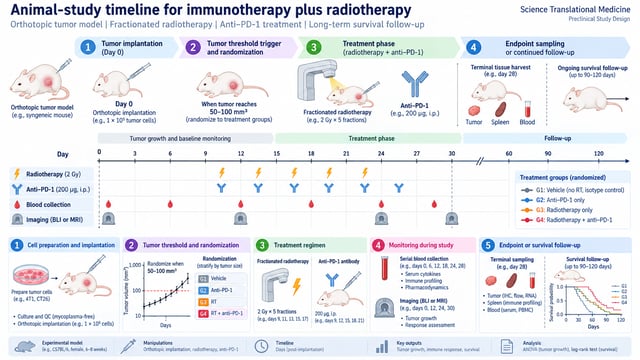
Day 0 implantation, tumor-threshold trigger, randomization, fractionated radiotherapy, anti-PD-1 dosing, serial blood collection, imaging, endpoint sampling, and long-term survival follow-up

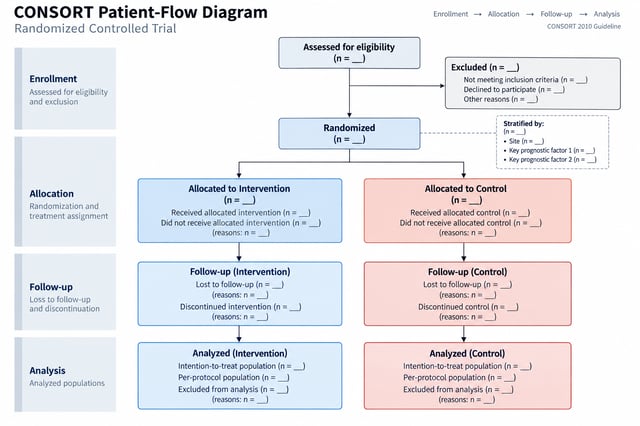
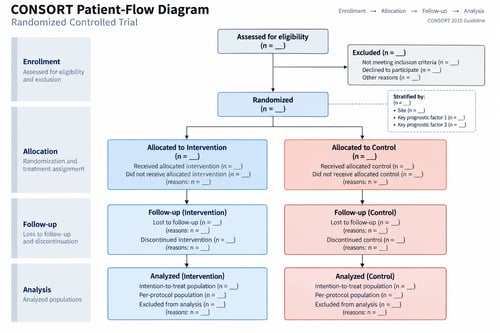
eligibility assessment, exclusion reasons, randomization, intervention and control arms, loss to follow-up, discontinuation, analyzed populations, and clear N placeholders

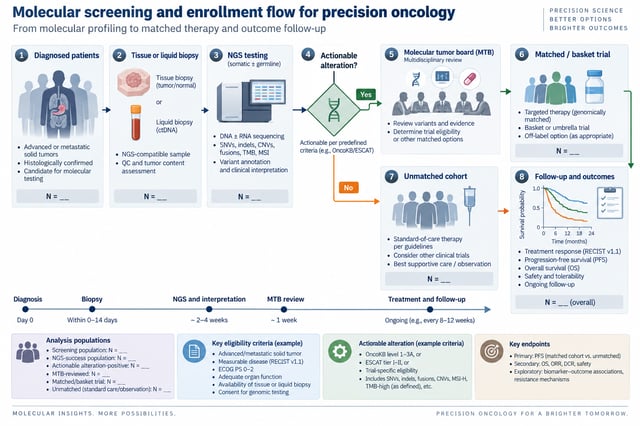
diagnosed patients, tissue/liquid biopsy, NGS testing, actionable-variant decision, molecular tumor board, matched trial, unmatched cohort, and follow-up

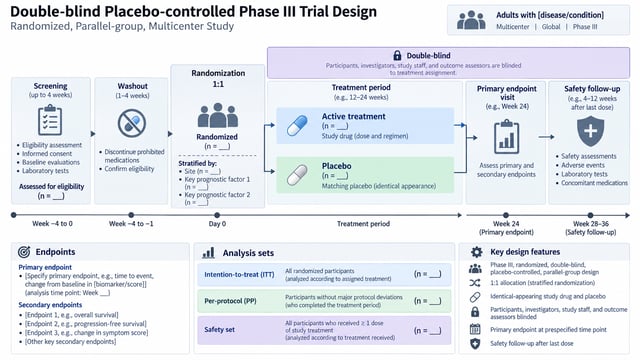
screening, washout, 1:1 randomization, treatment arm, placebo arm, blinding, primary endpoint, secondary endpoints, safety follow-up, and analysis sets

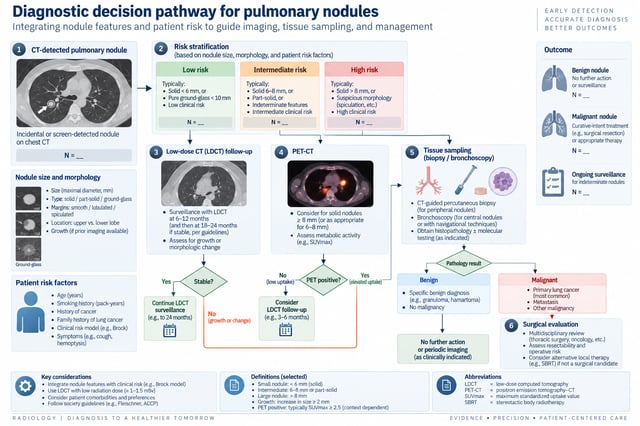
nodule size and morphology, patient risk factors, low-dose CT follow-up, PET-CT, biopsy/bronchoscopy, surgical evaluation, and benign/malignant outcomes

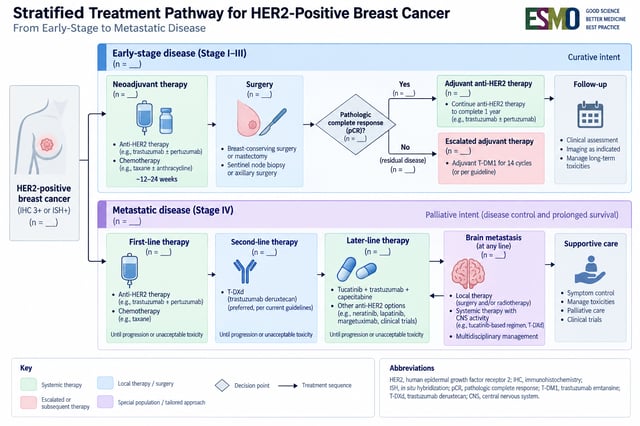
early versus metastatic stratification, neoadjuvant therapy, surgery, pCR decision, adjuvant regimen, sequential anti-HER2 therapy after recurrence, and brain-metastasis branch

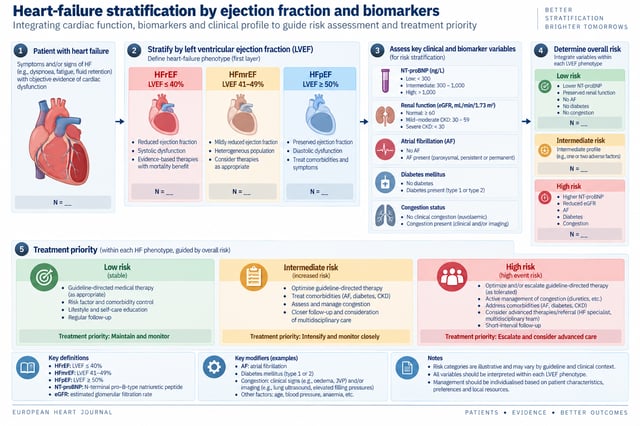
HFrEF/HFmrEF/HFpEF, NT-proBNP level, renal function, atrial fibrillation, diabetes, congestion status, risk level, and treatment priority

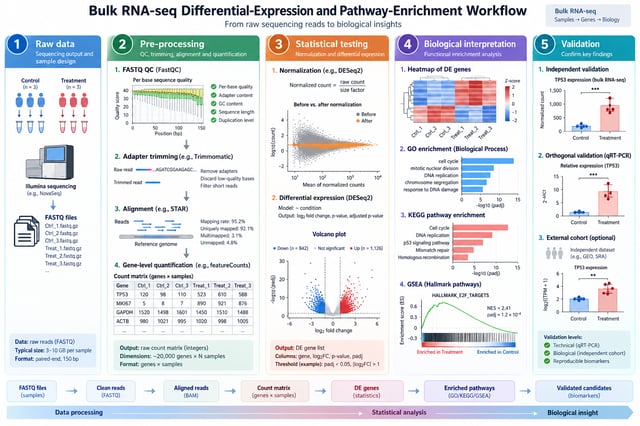
FASTQ QC, adapter trimming, alignment, count matrix, normalization, differential analysis, volcano/heatmap outputs, GO/KEGG/GSEA, and candidate validation

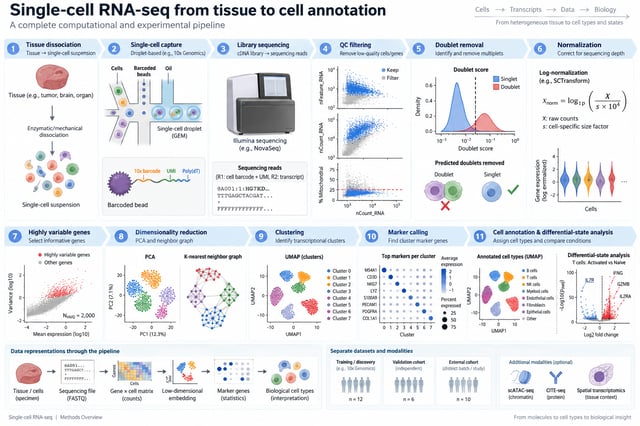
tissue dissociation, single-cell capture, library sequencing, QC, doublet removal, normalization, dimensionality reduction, clustering, marker calling, cell annotation, and differential-state analysis

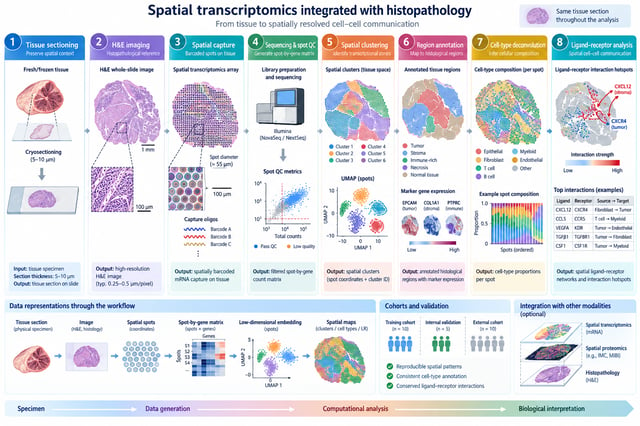
tissue sectioning, H&E imaging, spatial capture, sequencing, spot QC, spatial clustering, region annotation, cell-type deconvolution, and spatial ligand-receptor analysis

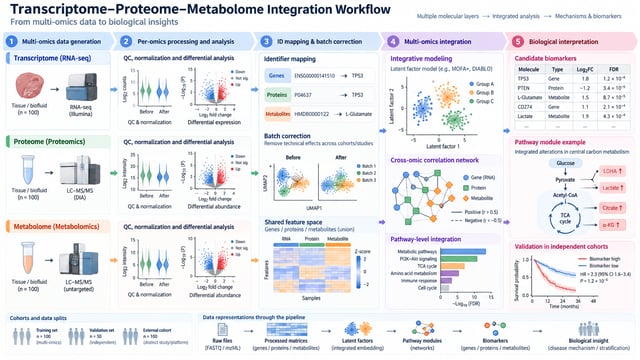
three omics inputs, per-omics QC and differential analysis, ID mapping, batch correction, correlation networks, pathway-level integration, latent-factor modeling, and biomarker candidates

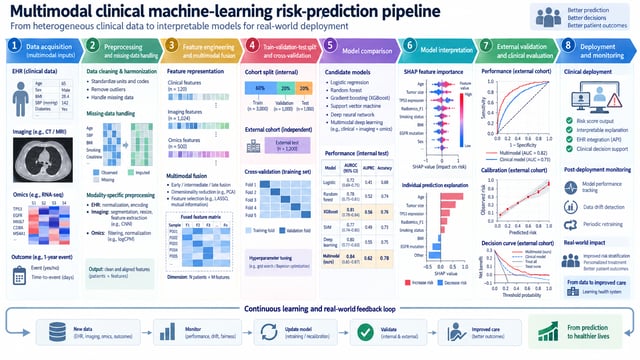
EHR, imaging and omics inputs, missing-data handling, feature engineering, train-validation-test split, cross-validation, model comparison, SHAP explanation, external validation, and deployment

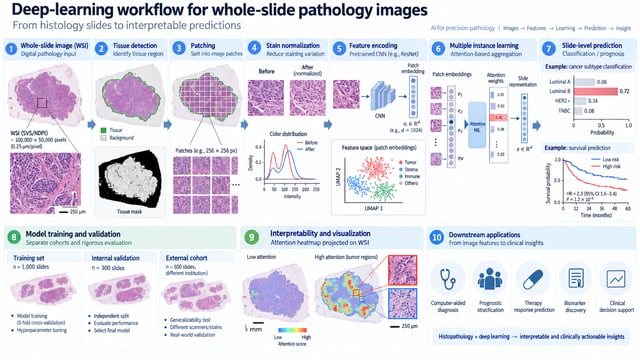
WSI slides, tissue detection, patching, stain normalization, feature encoding, MIL aggregation, classification/prognosis task, internal validation, external cohort, and interpretability heatmaps

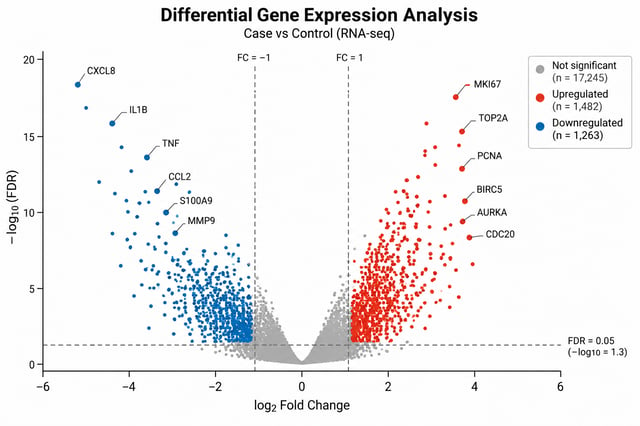
x-axis log2 fold change, y-axis -log10 adjusted P, distinct significant up/down colors, threshold guide lines, labels for top genes, and a concise legend

genes as rows, samples as columns, z-score scale, hierarchical dendrograms, sample-group annotation bars, highlighted gene modules, and concise legends

2D UMAP embedding, major cell types in distinct colors, clear cluster boundaries, representative marker labels, and a small companion panel for patient/condition source

time axis, PFS probability, two step curves, censor marks, number-at-risk table, HR with 95% CI, and appropriately placed log-rank P value

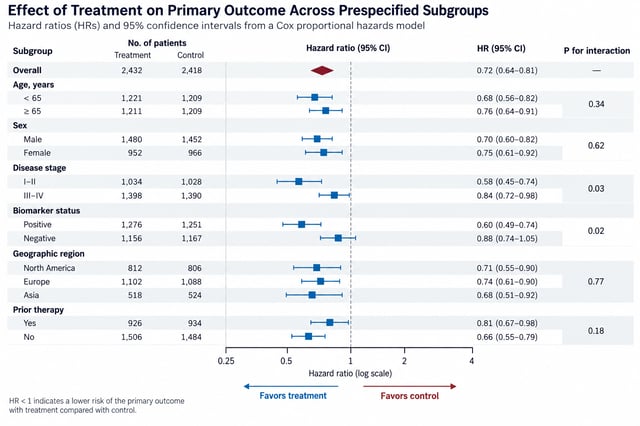
subgroup labels, sample sizes, HR/OR point estimates with 95% CI, null line, overall-effect diamond, interaction P values, and left/right benefit direction

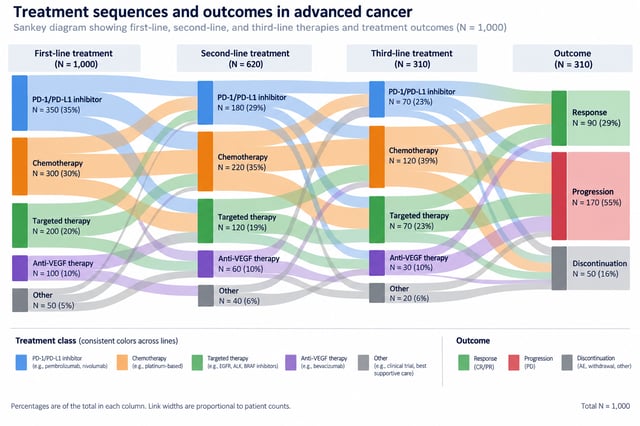
first-line, second-line and third-line treatments, response/progression/discontinuation outcomes, link widths proportional to patient counts, nodes grouped by treatment class, and N labels
시스템에서 직접 생성한 실제 출판 등급 삽화입니다. 클릭하여 세부 디테일을 확인하거나 동일한 스타일로 제작해보세요. The taxonomy keeps Chinese and English scientific terms together for researchers, search engines and generative discovery systems.
Nature의 차분한 바이오 색상, Science의 고대비 쿨톤, Cell의 클래식 레드/블루 팔레트를 완벽히 내장.

Nature / Science / Cell분자 표적, 세포 소기관, 수용체-리간드 결합 과정을 학술적 논리에 맞추어 정교하게 설계.

문헌 캡처나 손스케치를 업로드하면 구도를 분석하여 최고 학술지 스타일로 새롭게 렌더링합니다.

표준 템플릿1024x1024, 1536x1024, 2560x1440 등 표준 비율을 지원하며 저널 인쇄 규격에 완벽히 부합합니다.
의학 기전도, Graphical Abstract, 신호경로, 실험 워크플로와 연구 로드맵 초안을 만든 뒤 라벨, 노드와 과학적 관계를 확인하고 편집할 수 있습니다.
편집 가능한 그림과 내보내기 기능을 제공합니다. 제출 전 과학적 정확성, 그림 속 텍스트, 해상도와 해당 학술지의 그림 규정을 확인하세요.